There is something both beautiful and uncomfortable about genuinely seeking God's truth.
We can spend years growing in our faith, studying Scripture, attending church, and developing a certain understanding of who God is. Over time, those beliefs become familiar, and we naturally begin to see the world through them.
But what happens when we come across something that challenges that understanding? What happens when we start asking questions and realize that the answers might lead us somewhere we never expected?
I've been thinking about this quite a bit throughout my own journey of exploring the Catholic faith. One of the things I've had to recognize is just how easy it can be to approach Scripture and Christianity with assumptions we don't even realize we're carrying.
And sometimes, being willing to seek the truth means being willing to question those assumptions.
The Importance of Humility in Seeking God's Truth
Proverbs 3:5-6 tells us to trust in the Lord with all our hearts and not lean on our own understanding. I think most Christians are familiar with this passage, but actually living it out can be much more challenging than simply agreeing with it.
We naturally want to understand things. We want answers that make sense to us, and we tend to feel more comfortable when those answers align with what we've always known.
I think this becomes especially apparent when we start having conversations about theology, church history, or different Christian traditions. It's easy to hear something unfamiliar and immediately dismiss it because it doesn't fit within our existing understanding.
But I've had to ask myself whether I'm genuinely seeking to understand what God has revealed or whether I'm simply looking for confirmation of what I already believe.
If we really want to know the truth, we have to be willing to let God challenge our understanding.
That requires humility, and I think it also requires a certain level of honesty with ourselves. We have to recognize that our personal experiences, the churches we've attended, and the people who have influenced us all play a role in how we understand our faith.
Those experiences can be wonderful gifts, but they also shouldn't prevent us from continuing to learn.
When Our Desire for Control Gets in the Way
One thing I've noticed is how closely our desire for certainty can be connected to our desire for control.
We want to know exactly where God is leading us before we take the next step. We want to understand how everything fits together, and we especially want reassurance that following Him won't disrupt the things we've grown comfortable with.
But throughout Scripture, we see God calling people to trust Him before they fully understand what He's doing.
Abraham was called to leave his homeland without knowing exactly where he was going. Mary responded to God's extraordinary calling with humility and obedience, even though she couldn't possibly have understood everything that would follow.
Their faith required a willingness to surrender their own expectations and trust the Lord with what came next.
I think there's something we can learn from that, especially when we're navigating questions about our faith.
Sometimes the very thing keeping us from growing closer to God is our insistence on having everything figured out beforehand.
We can become so attached to our own understanding that we struggle to recognize when God is inviting us to go deeper.
And that can be a difficult thing to admit, particularly when we've spent years believing we already had the answers.
Learning to Ask Better Questions About Our Faith
As I've continued studying Christianity and the history of the Church, I've realized how important it is to approach difficult questions with patience.
There are so many things we can misunderstand when we only hear one perspective. Sometimes we encounter theological beliefs or practices that sound completely foreign to us simply because we've never taken the time to understand where they came from.
This has been particularly meaningful for me as I've explored Catholicism.
There were teachings and traditions I once viewed through a very different lens. But as I began studying Scripture more closely, learning about the early Church, and listening to people who could explain those beliefs within their historical and theological context, I started recognizing connections I had previously overlooked.
And I think that's an important reminder for all of us, regardless of where we are in our faith journeys.
We should be willing to ask questions, study carefully, and seek understanding before forming conclusions. We should also be willing to acknowledge when something we previously believed may have been based on incomplete information.
That doesn't mean accepting every new idea we encounter. Scripture calls us to discernment, and discernment requires us to examine what we're being taught.
But genuine discernment also requires a willingness to listen, learn, and be corrected.
I think we can sometimes forget that spiritual growth involves continuing to be taught. None of us reaches a point where we no longer need wisdom, guidance, or a deeper understanding of God's Word.
Finding Peace in Following Jesus
There's a particular kind of exhaustion that comes from feeling like we have to figure everything out on our own.
We can spend so much time searching for answers, comparing different perspectives, and trying to determine what feels right that we forget to bring those questions before the Lord in prayer.
And I think that's where we have to remember who we're ultimately seeking.
Jesus tells us in John 14:6 that He is the way, the truth, and the life. If we believe that, then our pursuit of truth should continually lead us closer to Him.
That may involve difficult conversations, uncomfortable realizations, or changes we never anticipated. It may also require us to release certain expectations about what our spiritual lives were supposed to look like.
But there is peace in remembering that God is faithful, even when we're still learning.
We don't have to pretend that we understand everything. We can come before Him with our questions and sincerely ask for wisdom.
James 1:5 reminds us that if we lack wisdom, we should ask God, who gives generously.
I find that incredibly encouraging because it reminds me that we can approach the Lord with humility and confidence, trusting that He hears us as we seek Him.
Are We Willing to Go Where God Leads?
I think one of the most important questions we can ask ourselves is whether we're genuinely willing to follow Jesus wherever He leads us.
It's a question I've had to wrestle with personally, and I imagine many of us will encounter it at different points throughout our lives.
Are we willing to reconsider something we've always believed? Are we willing to admit when we've misunderstood something? Are we willing to surrender our preferences when they conflict with what God is asking of us?
Those questions aren't always comfortable, but I believe they're worth asking.
My prayer is that we would never become so comfortable in our own understanding that we stop allowing the Lord to teach us.
May we continue seeking Him with open hearts, studying His Word with humility, and trusting that His wisdom is greater than our own.
And wherever that pursuit of truth leads, may our greatest desire always be to know Jesus more deeply and follow Him more faithfully.
Continue the Conversation on Lighten Up
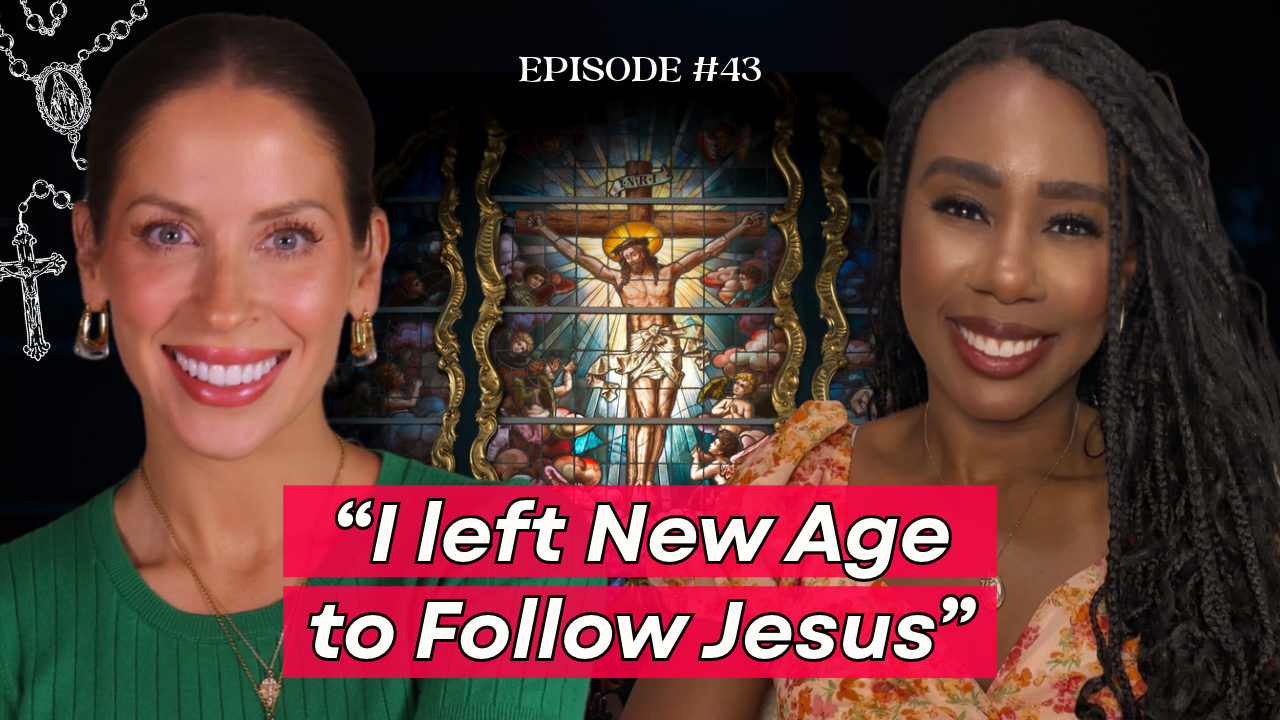
In this week's episode of Lighten Up, I'm joined by Kristen Harris of A Sacred Faith, who shares her journey from New Age spirituality to the Catholic Church.
We talk about the search for spiritual truth, the challenges of surrendering control, and what it looks like to follow Jesus when that journey takes an unexpected direction.
Kristen's testimony is a powerful reminder of the importance of seeking God with an open heart, and I think you'll find so much encouragement in our conversation.




FOLLOW ME ON INSTAGRAM